Trading ground
Pending reviewNot yet checked by a community or historical reviewer.
Still to check: the Old Tupi name ybyrapytanga for brazilwood.
The game's market. The Tupinambá had no markets like those of the Andes; goods moved between villages as gifts and exchanges, at visits and feasts.
Allied villages visited each other, and gifts went with the visits: feather work, hammocks, pots, food, flour, bows. Giving well brought honour, and exchanges kept alliances alive. Paths through the forest joined villages over long distances.
After 1500 the Portuguese and the French traded with the coastal peoples: the Tupinambá cut and carried brazilwood (ybyrapytanga) to the ships in exchange for iron tools, knives and cloth. This trade, the escambo, soon turned into forced labour and enslavement.
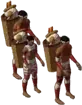
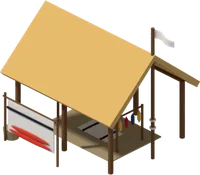
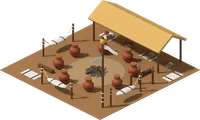
In the game: from the third era, the trading ground creates porters and lets you buy and sell food, wood and clay for treasure. It is the game's abstraction, not a historical building.
Sources
- Indigenous voiceCasé Angatu (Carlos José Ferreira dos Santos), Tupinambá historian and teacher, Olivença, writings on Tupinambá history and territory
- ResearchManuela Carneiro da Cunha (ed.), História dos índios no Brasil (1992)
- ResearchCarlos Fausto, Os índios antes do Brasil (2000)
- Early European account, read with careJean de Léry, Histoire d'un voyage faict en la terre du Brésil (1578)
- Early European account, read with careAndré Thevet, Les singularitez de la France antarctique (1557)